
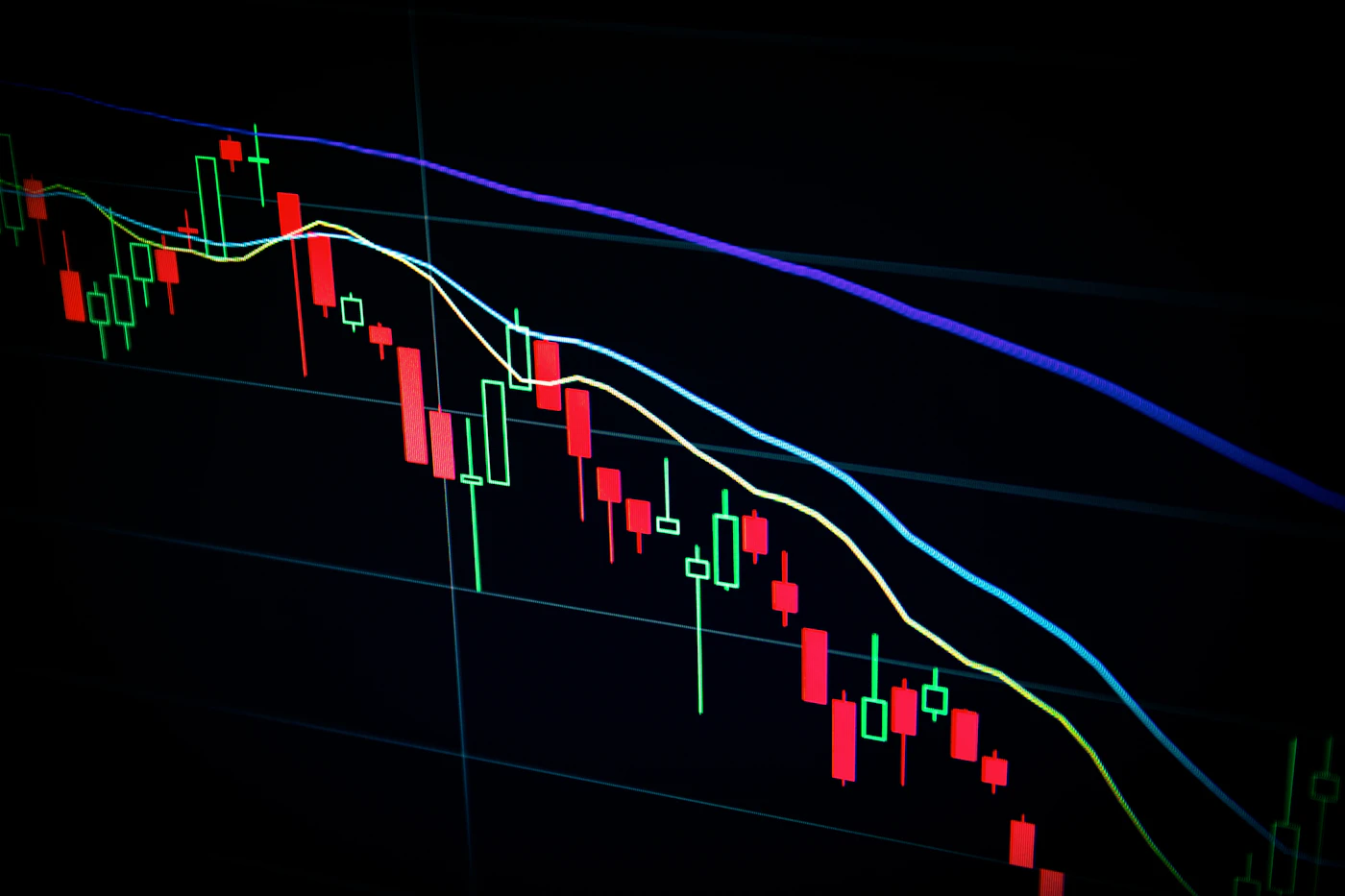
Commodity Prices and Currency Rates is one of the most searched foreign-exchange topics because readers want practical clarity, not only headlines. In real markets, commodity linkage reflects policy rates, inflation expectations, growth divergence, commodity pricing, and risk sentiment. A useful framework separates structural drivers from short-term noise. Structural drivers include central-bank credibility, fiscal path, external-account strength, and productivity. Short-term noise includes positioning, event volatility, and headlines. When you need to act on a view, start from a benchmark: use our AUD to USD converter to anchor today's level before comparing any provider quote.
High-intent searches such as exchange rate today, forex outlook, and currency converter usually mean people want both direction and execution quality. Institutions including the Federal Reserve, European Central Bank, Bank of England, Bank of Japan, IMF, World Bank, BIS, and OECD publish data that shapes expectations; markets often move on guidance before the next official move. For cross-checking another major corridor while you read, the CAD to USD rates is a useful parallel reference for how funding conditions are repricing.
Inflation remains a dominant channel between domestic prices and currency value. Persistent inflation with weak policy response tends to erode purchasing power and can widen external stress. When inflation moderates and real yields improve, currencies can stabilize. Goods versus services inflation, wages, and imported energy rarely move in lockstep, so read the mix, not only the headline CPI. If your scenario depends on a third market, tie it to our USD to CAD live page so your assumptions stay consistent across corridors.
External balance matters: heavy import dependence and thin reserves can amplify pressure during commodity or funding shocks. Resilient exports and stable capital inflows buy time. Current account, reserve coverage, and debt maturity are not abstract; they change how fast markets reprice risk and how expensive imports become after conversion. Rate differentials and bond yields often steer medium-term direction, but yield must be read with growth: high yields driven by stress behave differently from high yields driven by strong demand for local assets.
For transfers, prefer rule-based execution: define an acceptable rate band, split large flows, compare spread to a public benchmark, and include settlement lag. Effective cost is headline quote minus spread minus fees minus timing slippage. Keep a short log of benchmark, quoted, and settled amounts; that habit alone improves provider choice. Businesses should align FX with invoice dates, payroll, and procurement; individuals should line up tuition, rent, and other fixed bills the same way, so you avoid forced conversions in bad windows.
Scenario planning beats one-off guesses. Run base, conservative, and stress cases for the next cycle; in stress, assume weaker rates and higher fees. If the plan still works, exposure is manageable; if not, resize timing or corridor. In summary, read commodity linkage through inflation path, policy credibility, yield spread, trade balance, and risk regime, then execute with discipline: monitor benchmarks, compare spreads, stage execution, and review outcomes. That is how macro reading turns into better day-to-day currency decisions.
Commodity exposure and typical currency reactions
| Commodity | Currencies affected | Watch |
|---|---|---|
| Oil shock | Hurts importers; helps some exporters | Track OPEC and inventory prints |
| Metals rally | Boosts AUD/CAD on terms of trade | Watch China demand proxies |
| Food prices | Raises EM inflation pressure | Update remittance budgets faster |
| Volatility spike | Widens retail spreads | Pause if spread doubles vs normal |